groups, schools, pre-schools
OFFER FOR PRIMARY AND SECONDARY SCHOOLS
A. SELECION OF PERFORMANCES
For pupils from 1st to 3rd grade of primary school
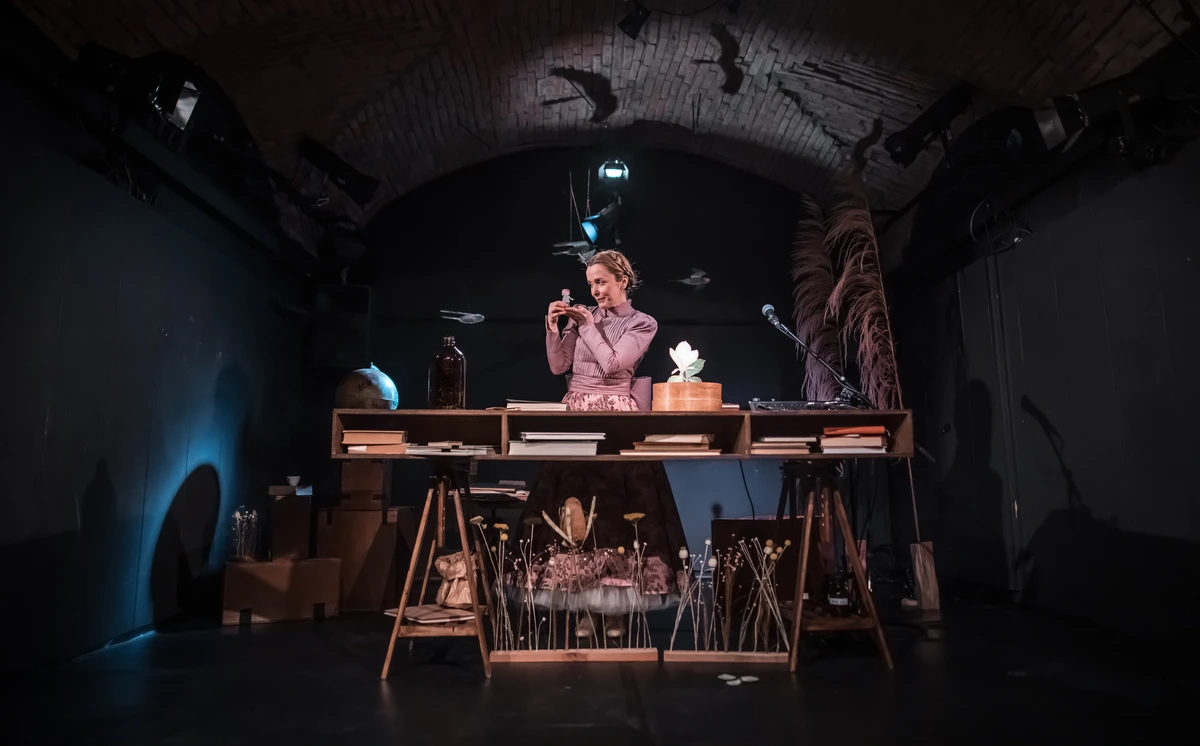
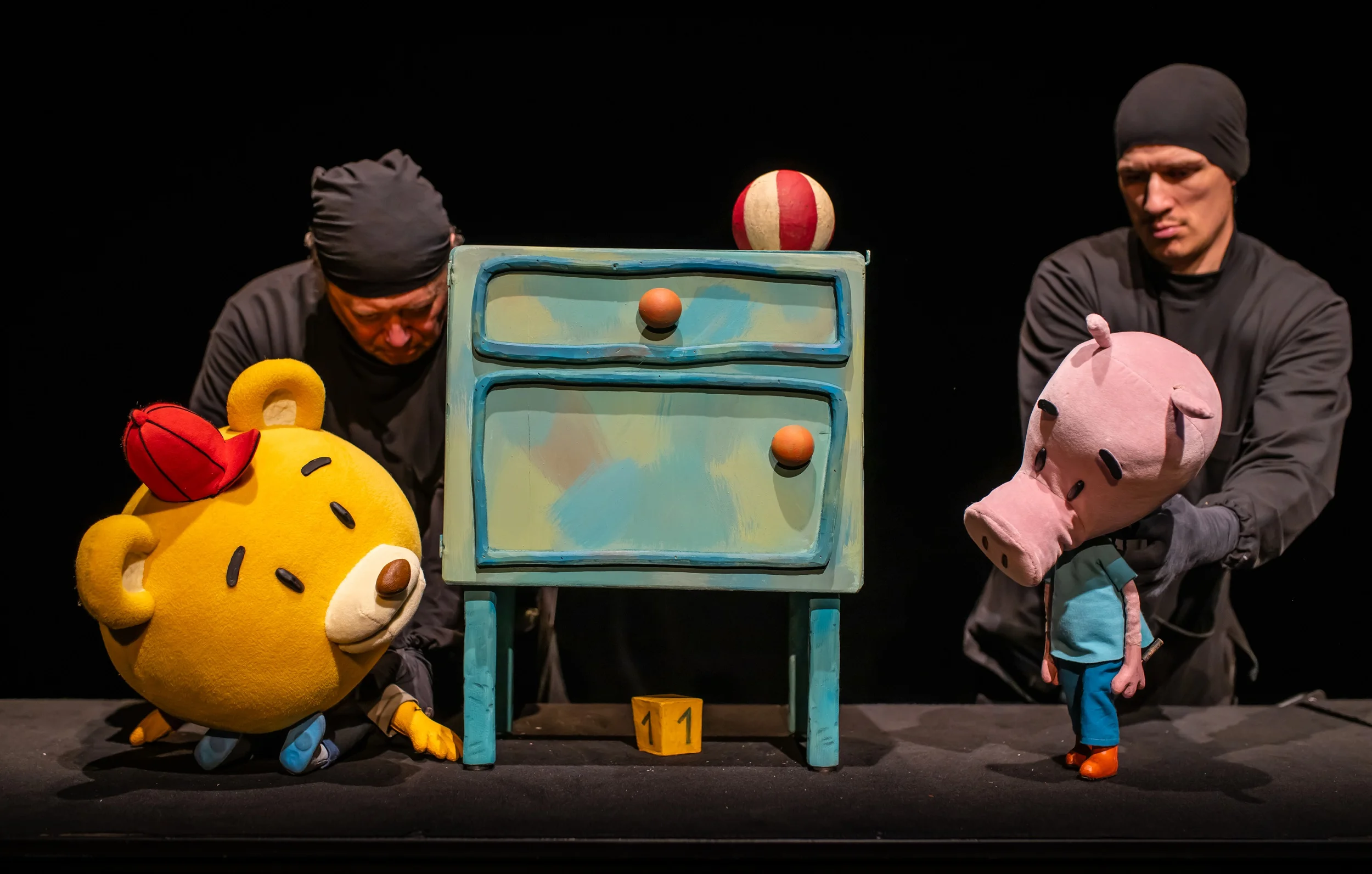
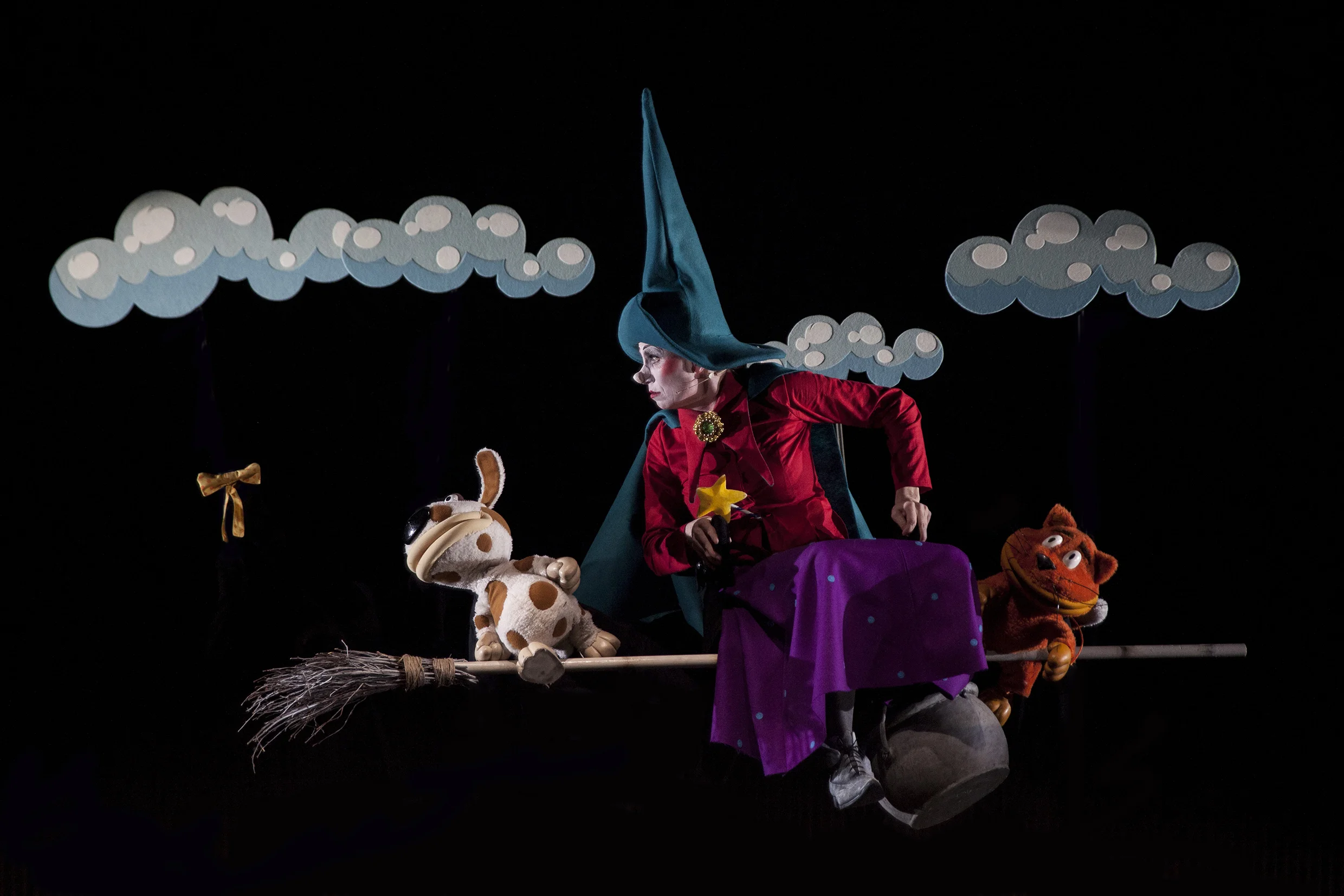
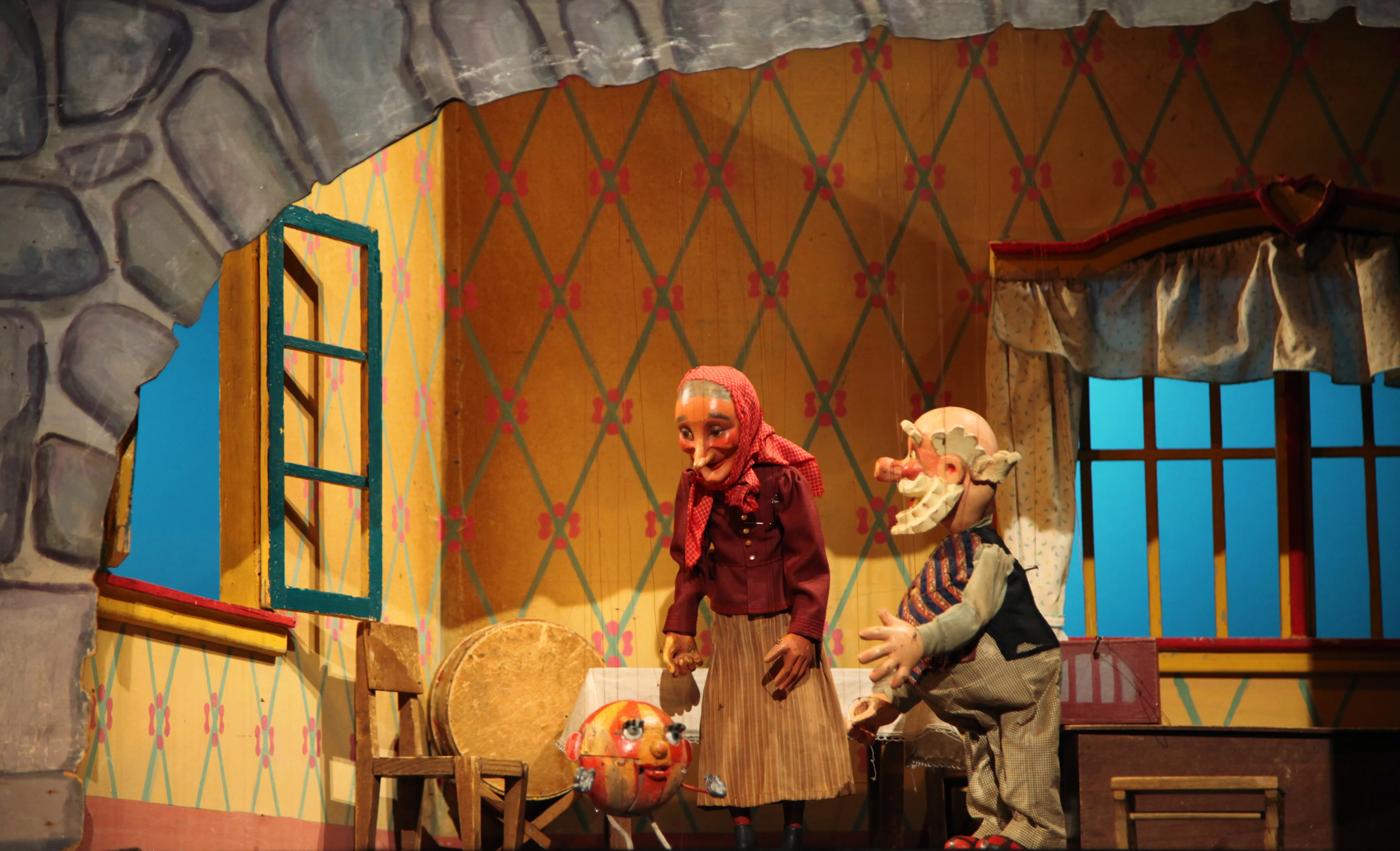
Puppet performances: The Bremen Musicians , Darnmousie, The Thief of Baghdad, Black Cat Goes Courting, The Sleeping Beauty, The Lost Tone, The Jungle Book
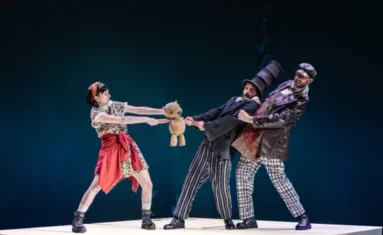
Drama performances: Bugsquerade, Little Luna and Big Luna
For pupils from 4th to 6th grade of primary school
Puppet performances: The Lost Tone, The Jungle Book
Drama performances: Little Luna and Big Luna, Real Bad, Boxer’s Heart
For pupils from 7th to 9th grade of primary school
Puppet performances: Doctor Faustus, Romeo & Juliet, Laila
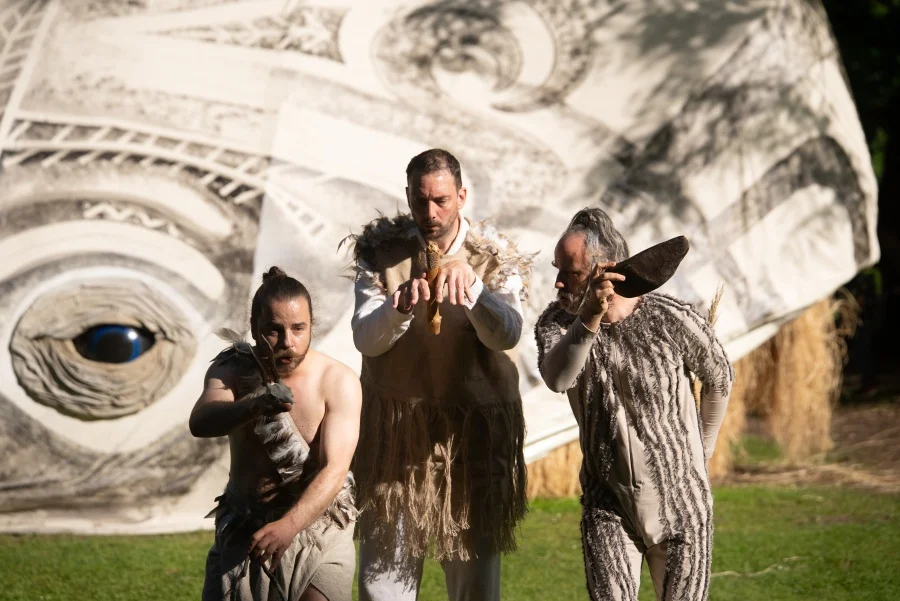
Drama performances: Stones, Boxer’s Heart
For secondary school students
Puppet performances: Doctor Faustus, Romeo & Juliet, Laila, Forbidden Loves
Drama Performances: Without, Boxer’s Heart, Pink
![]()
B. A DAY OF CULTURE AT LGL
Following the viewing of the performance (see above, A. Selection of performances) is a short discussion with its creators about the puppet techniques used in the performance, the problems the drama text tackles, and about the structure of puppet or drama theatre.
![]()
C. MY LJUBLJANA PROJECT:
A DAY OF CULTURE AT LGL AND THE LJUBLJANA CASTLE
The most important Slovene cultural centres are located in our capital, and at the same time the centre of Ljubljana is home of numerous symbolic places, buildings and monuments which have formed the image of Slovenia. The Ljubljana Puppet Theatre and Ljubljana Castle public institutions have decided to bring Ljubljana closer to students in a wholesome, interesting and accessible manner, which makes it easier for schools to plan their Day of Culture. The children arrive by bus at Krekov Trg in front of the Ljubljana Puppet Theatre, and after the programme of the Day of Culture is over, a bus picks them up at the same place.
Number of people: up to 50 students
Expected duration: up to 4 hours (animation and lunch break included)
Expected price per student: 10 €
Programme for pupils from 1st to 3rd grade of primary school
1. Puppet or drama performance in LGL and a discussion
(See A. Selection of performance and B. A Day of Culture at LGL) Puppet Theatre personnel accompany the group to the funicular, where the castle dragon meets them.
2. Funicular ride
The caste dragon takes the group of children up to the castle.
3. Tour of Ljubljana Castle
The castle dragon takes the group of children through the Lapidary to Casemate, where the dragon lair is. The dragon will show them his hiding places around the castle, and together they will look for his treasure. The entire guided tour is planned as a kind of game with the dragon.
Programme for pupils from 4th to 6th grade of primary school
1. Puppet or drama performance in LGL and a discussion
(See A. Selection of performance and B. A Day of Culture in LGL)
2. Funicular ride to the castle
3. Learn about life at medieval castle
A tour of land prince’s castle with learning about life at the medieval castle, dietary habits of the time and recipes they used, table manners and clothes they wore. Following that, the group will learn about defence elements they used when building the castle, because the time of Frederick III of Habsburg was the time of Turkish invasions and inheritance battles. In the Virtual Museum the group learns about the development of Ljubljana squares and visits St. George’s Chapel, where they learn about the basic elements of heraldry. If the group is bigger, we split it into two smaller groups, and the other group visits the Slovene History exhibition, and then the two groups swap places.
Slovene History Exhibition
The territory of modern Slovenia has a rich history, because the oldest and rare traces of human presence in this territory date back about 200,000 years. From that time onwards, this piece of land at the crossroads of natural paths between the Alps, the Adriatic Sea and Pannonia has been a juncture of different cultures and peoples whose actions and lifestyles have left us with a heterogeneous heritage. Do you want to know how the primitive man lived, when Slavs inhabited these lands, how medieval towns evolved, and what modern times brought about? At the Slovene History exhibition, the first in Slovenia to encompass the entire history of this area, from prehistoric times to the present, the students are introduced to the key factors which decidedly influenced the shaping of the Slovene identity and the formation of the independent state of Slovenia. The modern exhibition offers the visitors all this and much more; it is an insight into a small part of our rich history, using photography, artefacts, film and expert management.
Virtual Museum
The panoramic view of Ljubljana from the Viewing Tower is completed by the virtual image of the city in the Virtual Museum. Through stereoscopic images (3D picture), the visitors travel through two millennia of history of Ljubljana squares – from the antiquity to the 20th century. The 23-minute presentation can be heard in the Slovene, German, English or Italian languages.
Programme for pupils from 7th to 9th grade of primary school
1. Puppet or drama performance in LGL and a discussion
(See A. Selection of performance and B. A Day of Culture in LGL)
2. A stroll to the castle following the “From the city to the castle on foot” path
The group takes on one of the “From the city to the castle on foot” paths, and the students see the important buildings in the city and learn about the old city wall which used to connect the city with the castle into a single unit. The walk is short and not demanding.
3. Visit permanent exhibitions
A guided visit of the permanent Slovene History exhibition. If the group is big, we split it into two smaller groups; one tours the exhibition, the other the Viewing Tower and the Virtual Museum, then they switch places. The visit combines exercise and culture.
Slovene History Exhibition
The territory of modern Slovenia has a rich history, because the oldest and rare traces of human presence in this territory date back about 200,000 years. From that time onwards, this piece of land at the crossroads of natural paths between the Alps, the Adriatic Sea and Pannonia has been a juncture of different cultures and peoples whose actions and lifestyles have left us with a heterogeneous heritage. Do you want to know how the primitive man lived, when Slavs inhabited these lands, how medieval towns evolved, and what modern times brought about? At the Slovene History exhibition, the first in Slovenia to encompass the entire history of this area, from prehistoric times to the present, the students are introduced to the key factors which decidedly influenced the shaping of the Slovene identity and the formation of the independent state of Slovenia. The modern exhibition offers the visitors all this and much more; it is an insight into a small part of our rich history, using photography, artefacts, film and expert management.
Virtual Museum
The panoramic view of Ljubljana from the Viewing Tower is completed by the virtual image of the city in the Virtual Museum. Through stereoscopic images (3D picture), the visitors travel through two millennia of history of Ljubljana squares – from the antiquity to the 20th century. The 23-minute presentation can be heard in the Slovene, German, English or Italian languages.
Booking performances and dates: Špela Juntes and Edita Golob, organisers, phone: +386 (0)1 3000 976
Additional information: Ljubljana Puppet Theatre: organizacija@lgl.si